

The Role of Luck in Gambling
Luck is often considered the most significant factor in the realm of casino gambling. Unlike other forms of betting where skill may play a role, games such as slots, roulette, and dice are largely governed by chance. This element of randomness can lead to unexpected outcomes, making every spin of a slot machine or roll of the dice a unique experience. Players often rely on luck, hoping that their fortune will favor them, leading to a big payout or a long streak of wins, especially when they choose platforms like 1win that offer great rewards.
Moreover, the concept of luck in gambling is deeply intertwined with psychological aspects. Many players exhibit rituals or superstitions, believing that certain behaviors or actions can influence their luck. Whether it’s wearing a lucky shirt or choosing a specific time to play, these behaviors highlight how luck impacts player mindset, potentially affecting their decision-making and emotional responses during gameplay. Thus, the belief in luck is not only prevalent but also a crucial aspect of the gambling experience.
Additionally, casinos often use this perception of luck to create an inviting atmosphere for players. The design of games, the sounds of winnings, and even the ambiance are all tailored to maximize the sensation of being fortunate. This strategic approach plays into both the excitement and anticipation that players feel, reinforcing the idea that luck is a real factor, regardless of the inherent odds of the games. It creates a cycle where the emotional highs attract players to return, further entwining luck with the overall gambling experience.
The Math Behind Luck and Odds
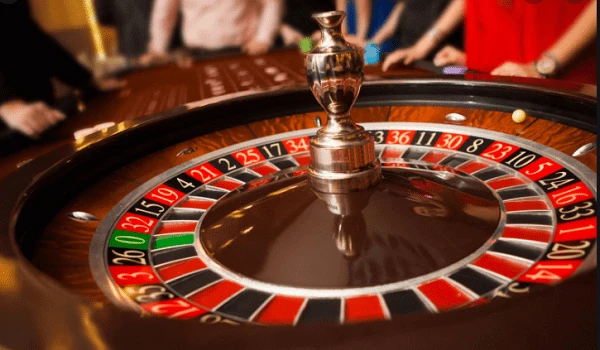
While luck can feel like a wild card, the mathematics behind casino games is where the true understanding of outcomes lies. Each game has specific odds that dictate the probability of winning or losing. For instance, the house edge in roulette indicates that, over time, the casino has a statistical advantage over the players. Understanding these odds often demystifies the role of luck, revealing that while luck may lead to short-term wins, the long-term results are usually more predictable.
Statistical analyses show that most casino games are designed to ensure that, regardless of individual luck, the house always has the upper hand. For example, in games like blackjack, while skilled players can influence outcomes through strategy, the element of chance remains significant in card distribution. This reinforces the notion that luck changes the dynamics temporarily but does not alter the mathematical reality that benefits the casino in the long run.

This mathematical foundation leads to discussions about variance and volatility in gambling. Variance refers to how much the outcomes of a particular game can differ from the expected results. In high-variance games, players may experience extreme swings—both highs and lows—due to luck. This unpredictability can be enticing; however, it can often lead to gambling addiction if players chase the high of winning, influenced by the effects of luck rather than rational thought about the odds involved.
The Psychological Impact of Luck on Players
The belief in luck can have profound psychological effects on gamblers. Cognitive biases, such as the gambler’s fallacy, emerge when players mistakenly assume that past outcomes influence future events. For instance, a player may believe that a slot machine is due for a win after a series of losses, attributing this belief to an idea of being ‘lucky’ enough to break the streak. This mindset can lead to gambling decisions that are less about strategy and more about superstition and emotional highs.
Furthermore, the thrill of taking risks is amplified by the chance of luck intervening. The anticipation of potentially winning can create a euphoric state for players, making them more prone to engage in continuous play. This excitement can override the awareness of odds and probabilities, as the focus remains on the hope of luck turning in their favor. Unfortunately, this effect can lead individuals to stake higher amounts than they initially intended, driven by the allure of a lucky break.
On the flip side, luck can also foster a sense of hopelessness in players who are on a losing streak. The feeling that they are ‘unlucky’ can dissuade them from further participation or lead to feelings of frustration. This can create a cycle where players blame their apparent lack of luck for losses, sometimes resulting in the misconception that their strategy or skill level is irrelevant. Finding a balance between recognizing luck’s role and understanding the game’s inherent odds is essential for a healthy gambling approach.
Luck and Responsible Gaming Practices
Incorporating an understanding of luck into responsible gaming practices is crucial for both players and casino operators. Recognizing that luck plays a significant role in outcomes can encourage players to set realistic expectations for their gaming experiences. By acknowledging that winning is not guaranteed, players can develop a more balanced approach to gambling, focusing on entertainment rather than solely on the pursuit of winning.
Casinos also play a pivotal role in promoting responsible gaming by offering educational resources and tools that highlight the importance of understanding luck and odds. Many establishments provide information on how to identify and manage gambling behaviors, advocating for limits on spending and time committed to playing. By fostering an environment that acknowledges the unpredictable nature of luck, casinos can help mitigate potential negative outcomes for players.
Furthermore, encouraging responsible play can lead to a more enjoyable gambling experience. When players are aware of the role of luck and are equipped with strategies for managing their behavior, they can focus on the thrill of the game without being overwhelmed by the desire to chase losses or rely solely on luck for success. This approach ultimately enhances the overall gaming atmosphere, making it more sustainable for players in the long run.
Discover More About Casino Gambling
If you’re interested in exploring more about the dynamics of luck and outcomes in casino gambling, there are numerous resources available for both casual players and those looking to delve deeper into the mechanics of various games. Many websites provide insights into game strategies, odds, and the psychological aspects of gambling, helping players make informed decisions.
Moreover, educational platforms often feature expert opinions and articles that discuss the balance between luck and skill in gambling. By learning from these resources, players can cultivate a better understanding of their experiences and enhance their enjoyment while minimizing the risk of problem gambling. Being informed is a powerful tool when navigating the casino landscape.
Ultimately, whether you are a casual bettor or an avid gamer, understanding the influence of luck in casino gambling can enrich your experience. Be sure to consider the implications of both luck and strategy, ensuring your gaming remains a source of enjoyment and entertainment. Exploring these themes can open up a world of insights that enhance your journey in the vibrant realm of casino gambling.